Loading…

Grown by hand in San Miguel de Allende. You know exactly what you're eating and where it comes from.
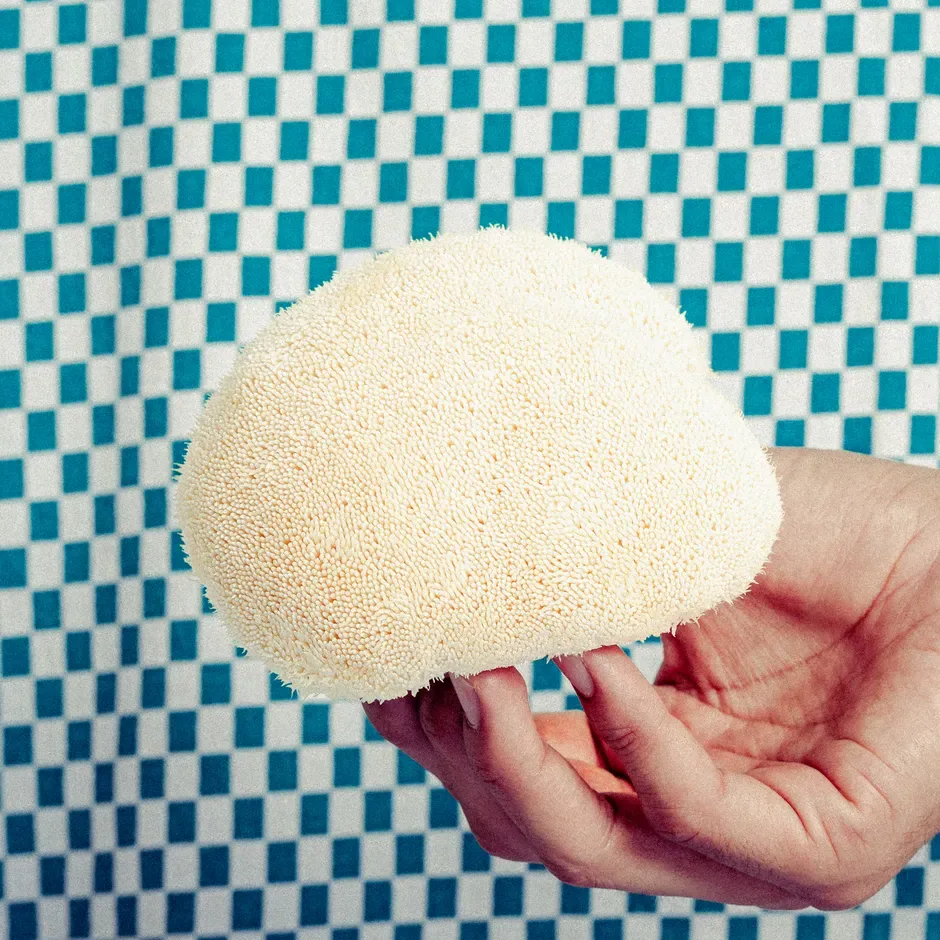
Ocean notes and a fibrous texture that cooks like a good steak. Lots of folks swear it's crab.
Hericenones and Erinacines, compounds that support memory, focus, and mood.
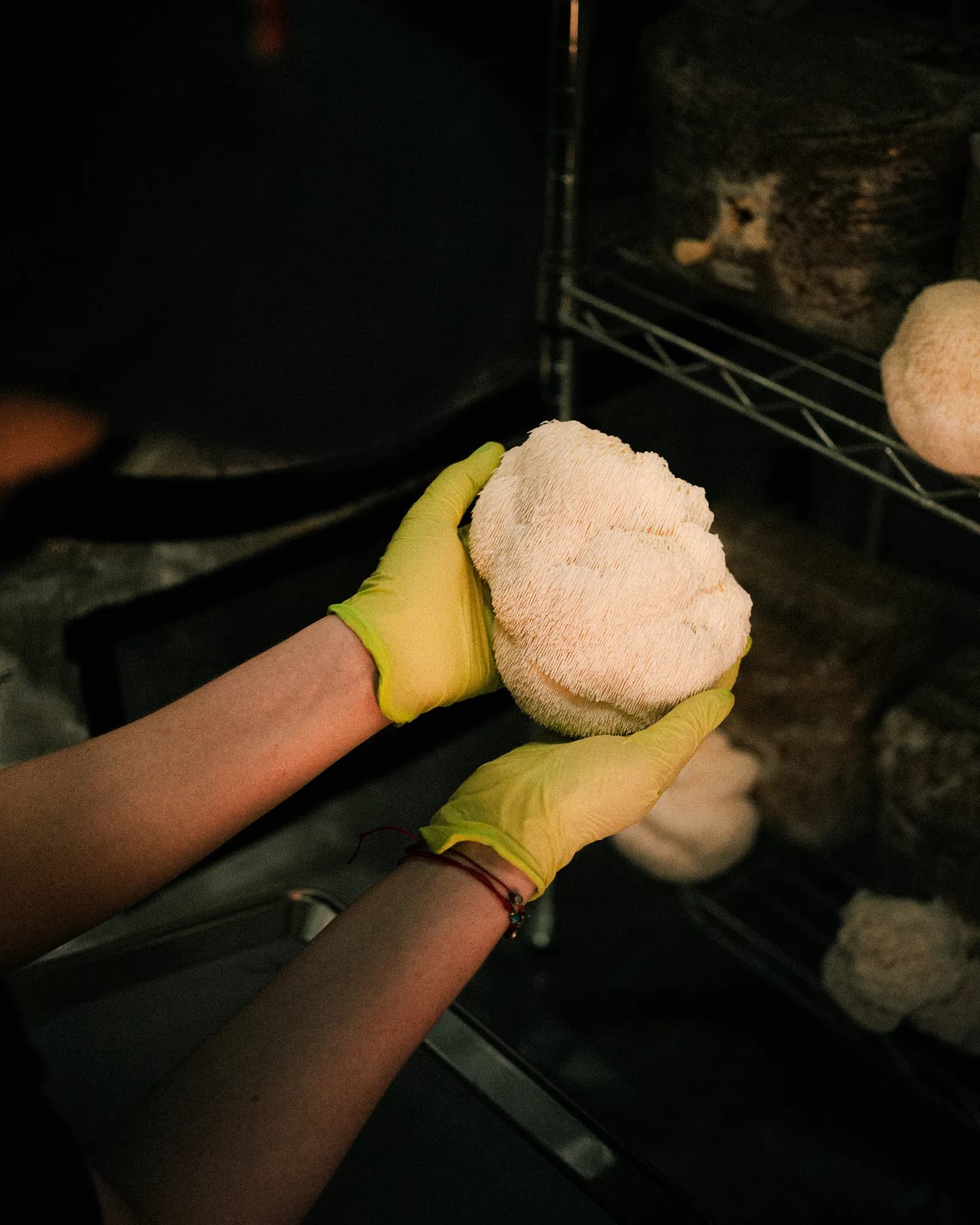
Lion's Mane (Hericium erinaceus) is a white, shaggy mushroom that grows on logs like a head of hair. When you cook it, its fibrous texture reminds you of crab or shredded chicken, and its flavor is mild, umami, slightly oceanic. We grow it by hand here in San Miguel de Allende: fresh, traceable, ready for your kitchen. If you've never tried it, you're part of the club that's about to change its mind about mushrooms.
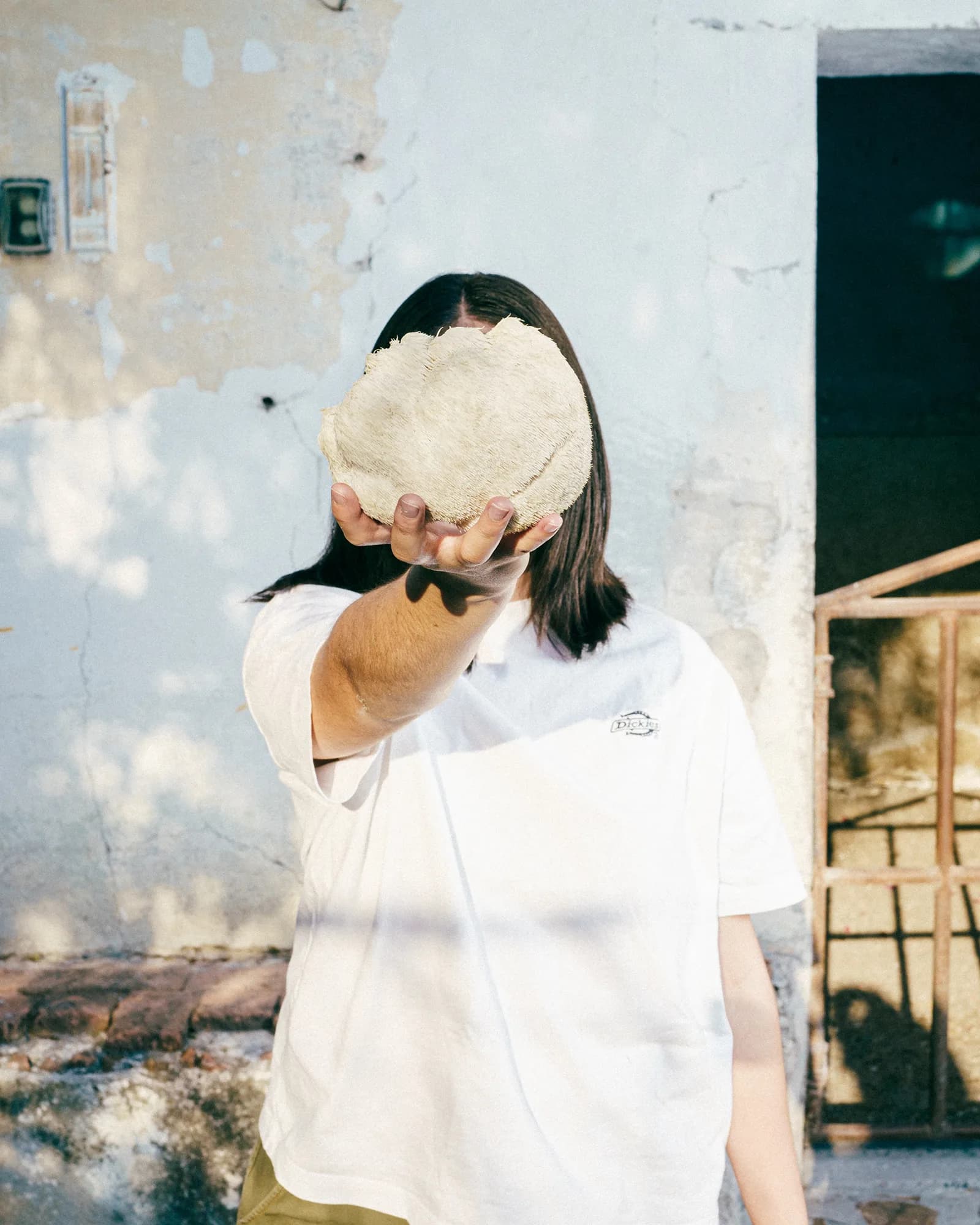
Every Melena de León starts as a spore inside a substrate of sawdust and grains at our farm in San Miguel de Allende. We let it mature in rooms with controlled humidity and temperature, no chemicals or shortcuts, until it reaches that size and fluff you recognize. By the time it reaches your kitchen, it's been growing under our watch for weeks.
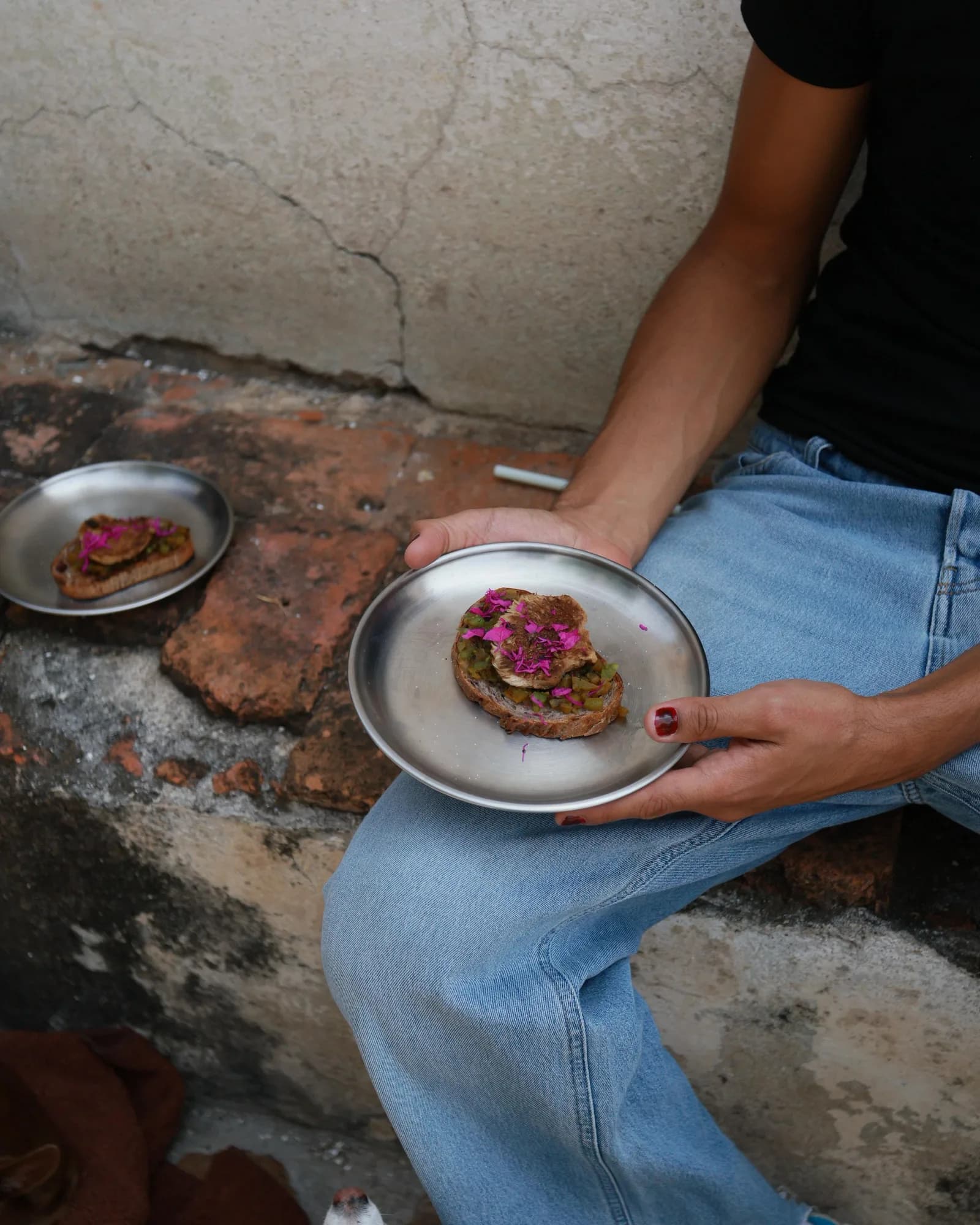
Ocean notes, almost like seafood, with a soft umami background. Its texture is fibrous and meaty: it shreds like chicken and browns like a steak. A lot of people mistake it for crab on their first bite; it's so similar we use it in crab cake recipes or ceviches without anyone noticing the difference.

Lion's Mane contains Hericenones and Erinacines, compounds that lab studies link to nerve cell growth. In humans, this translates to support for memory, focus, and mood, as long as you include it regularly in your diet.
Most clinical evidence uses concentrated extracts, not culinary portions. Eating it fresh provides interesting nutrients and compounds, but it's not the same as a supplement. We don't make magic promises. We believe in consistency.
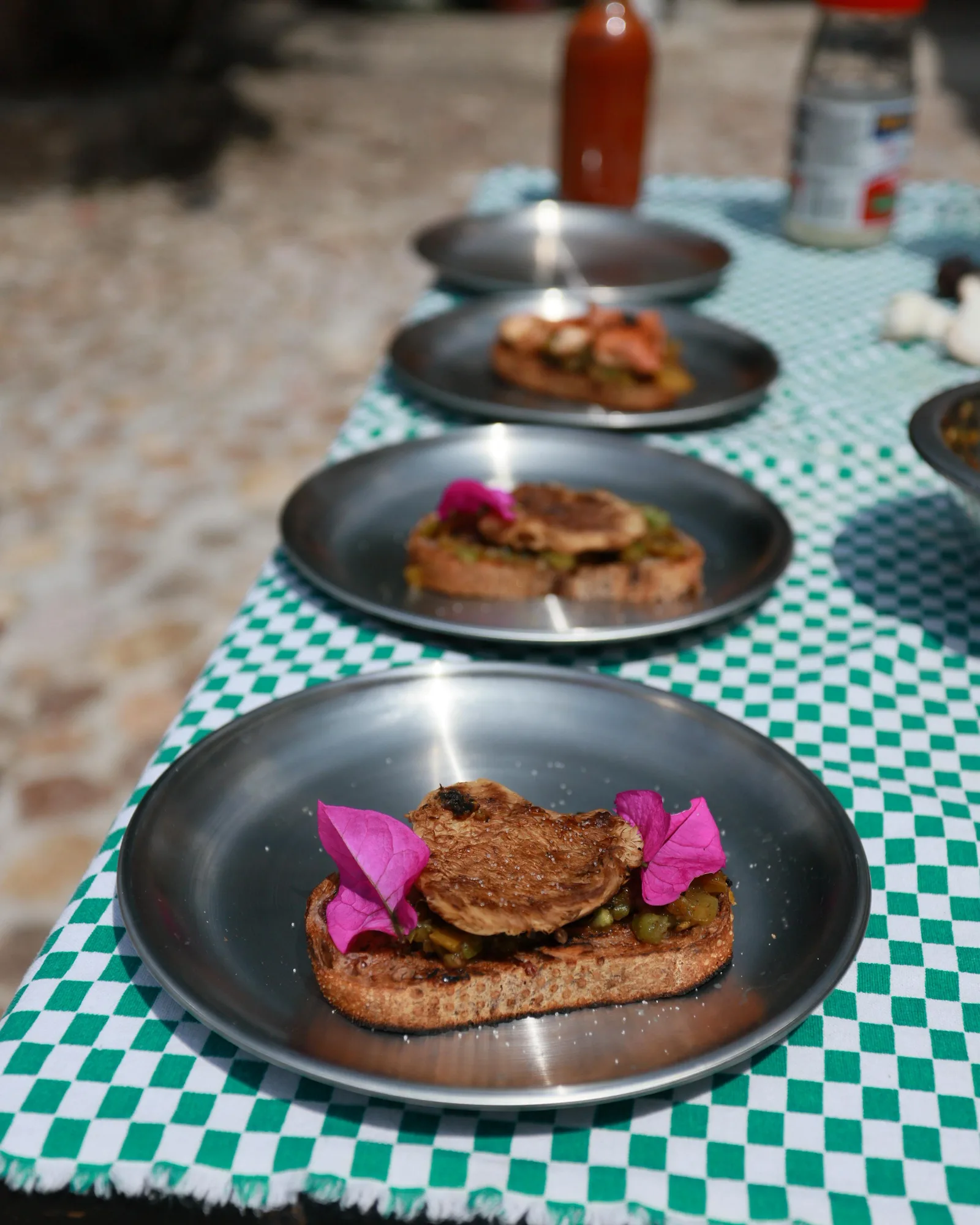
The simplest and what we like best: sautéed with butter, garlic, and a little salt, over medium-high heat, until it browns on the outside. It's ready in 8 to 12 minutes. You can also bread it like a cutlet, shred it for tacos or tinga, bake it like a veggie steak, or use it cold in ceviches and salads.
First time? Start with butter and garlic in a pan.
Lion's Mane (Hericium erinaceus) is an edible mushroom widely recognized for both its culinary value and traditional use. At Fungívora we work with controlled cultivation, traceability, and species identification, so we're not talking about wild mushrooms picked by guesswork. Even so, as a general rule, we never recommend consuming wild mushrooms without expert identification.
Our favorite way is grilled, sautéed, roasted, or shredded. Lion's Mane shines when you cook it over medium-high heat until it browns on the outside. That's when it develops its meaty texture and umami profile.
They have a mild, umami, slightly seafood-like flavor. Many people describe Lion's Mane as a mushroom with notes reminiscent of shellfish or crab, but more delicate.
Not exactly. Most of the available clinical evidence on Lion's Mane comes from studies on extracts, capsules, or powders, not culinary portions of fresh mushroom. Eating it as food does provide nutrients and interesting compounds, but it doesn't automatically equal consuming a concentrated supplement.
Yes, you can eat them raw, but we recommend cooking them. Cooking dramatically improves their texture, flavor, and overall experience on the plate. For most people, Lion's Mane shines more when cooked than raw.
It depends on the cut and method, but they're usually ready in 8 to 12 minutes sautéed or grilled, and a bit longer if you roast them in the oven. The key is cooking them until they lose moisture and brown slightly.
Lion's Mane is studied for its potential relationship to cognition, mood, and neurological health, but it's important to be honest: the evidence in humans is still promising but limited, and most of what's published uses extracts or supplements. As food, it can also provide fiber and interesting bioactive compounds.
It has a firm, fibrous, meaty texture, and that's exactly why so many people use it as a culinary substitute in recipes like crab cakes, tacos, or stir-fries. Its flavor is mild, umami, and slightly seafood-like.
It pairs beautifully with butter or olive oil, garlic, onion, fresh herbs, soy sauce, miso, lemon, dried chile, or more Mexican preparations like tacos, molletes, tostadas, and stews. With such a friendly flavor, it adapts well to both simple recipes and more creative ones. Its texture also allows you to shred it or sear it like a vegetable steak.
The species Hericium erinaceus grows naturally on hardwood trees and has been reported in Asia, Europe, and North America. It also has a long history of culinary and traditional use in Asia.
Yes, you can grow it at home if you have the right substrate, cleanliness, and patience. In fact, Lion's Mane is a species that many growers and educational projects use precisely because of how attractive and rewarding it can be.
For most people, casual exposure isn't a major concern. But in cultivation or frequent handling contexts, repeated high exposure to spores or fungal bioaerosols can irritate airways in some people, so good ventilation is always a good idea.
Like other fresh mushrooms, Lion's Mane is delicate. In general, fresh mushrooms last a few days at room temperature and longer under refrigeration. Best quality is usually within the first week.
The best way is refrigerated, in a paper bag or packaging that lets them breathe, and avoid sealed plastic or excess moisture. It's also best not to wash them until just before cooking.
Fresh Lion's Mane isn't ultra high-protein like a dried legume or concentrated powder, but it does provide protein, fiber, and other interesting compounds. In studies of dried mushroom, protein is typically reported around 15–29% on a dry weight basis. Fresh, with its high water content, the figure is much lower per 100 g.
As a practical guide, think 100 to 150 g per person if it's the star of the dish, or 60 to 100 g per person if it's a side or part of tacos, pasta, tostadas, or bowls. A simple guide: 1 person: 100–150 g · Couple: 200–300 g · Family of 3: 300–450 g · Family of 5: 500–750 g. This isn't a rigid rule; it depends on the recipe and what you pair it with. In dishes where Lion's Mane is the center, stay on the high end of the range. We base this suggestion on typical culinary portions for fresh mushrooms and its texture and satiety when used as a main ingredient.
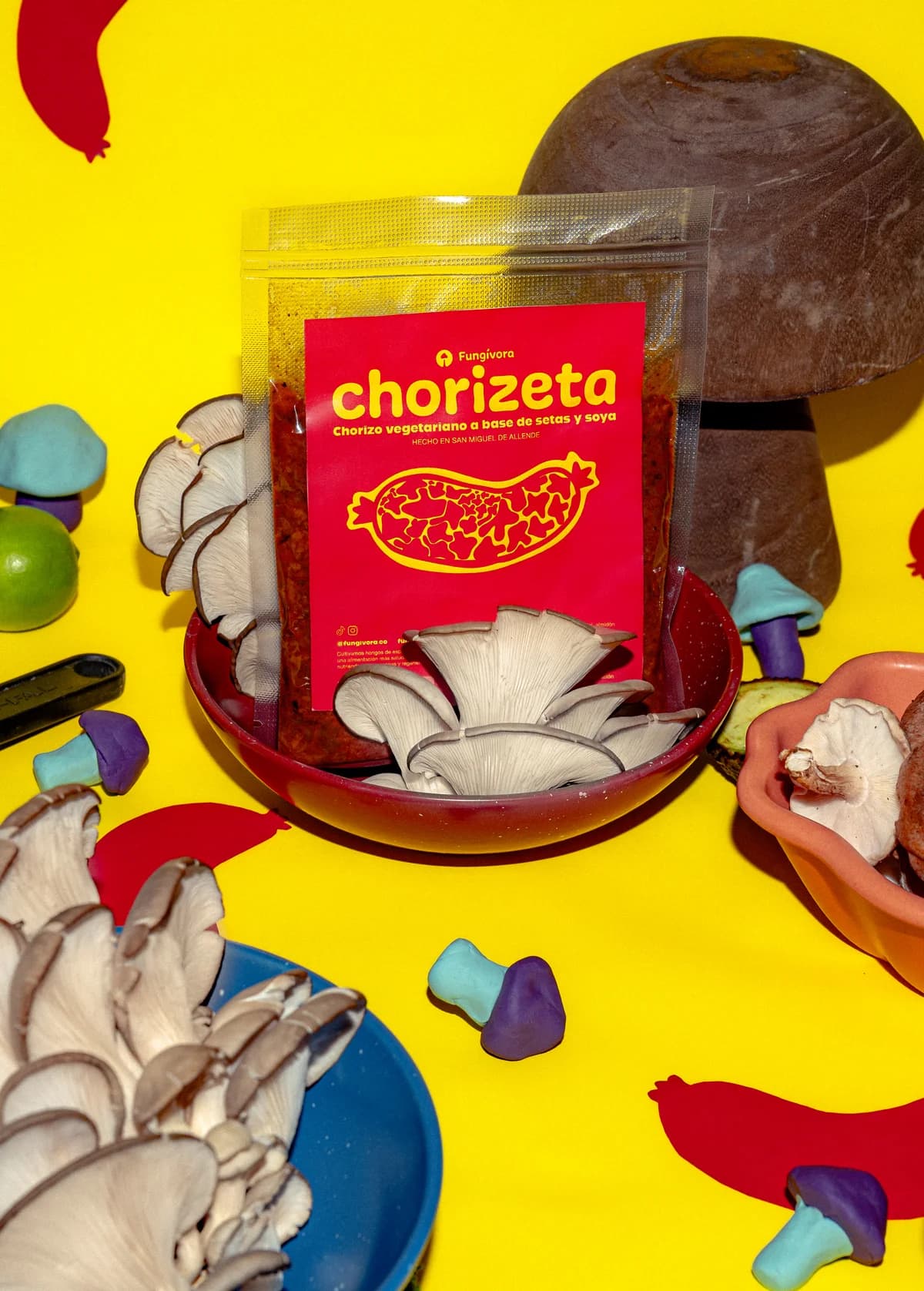
Mushroom chorizo, same flavor, without the heavy grease. Perfect for your next breakfast.
See Chorizeta →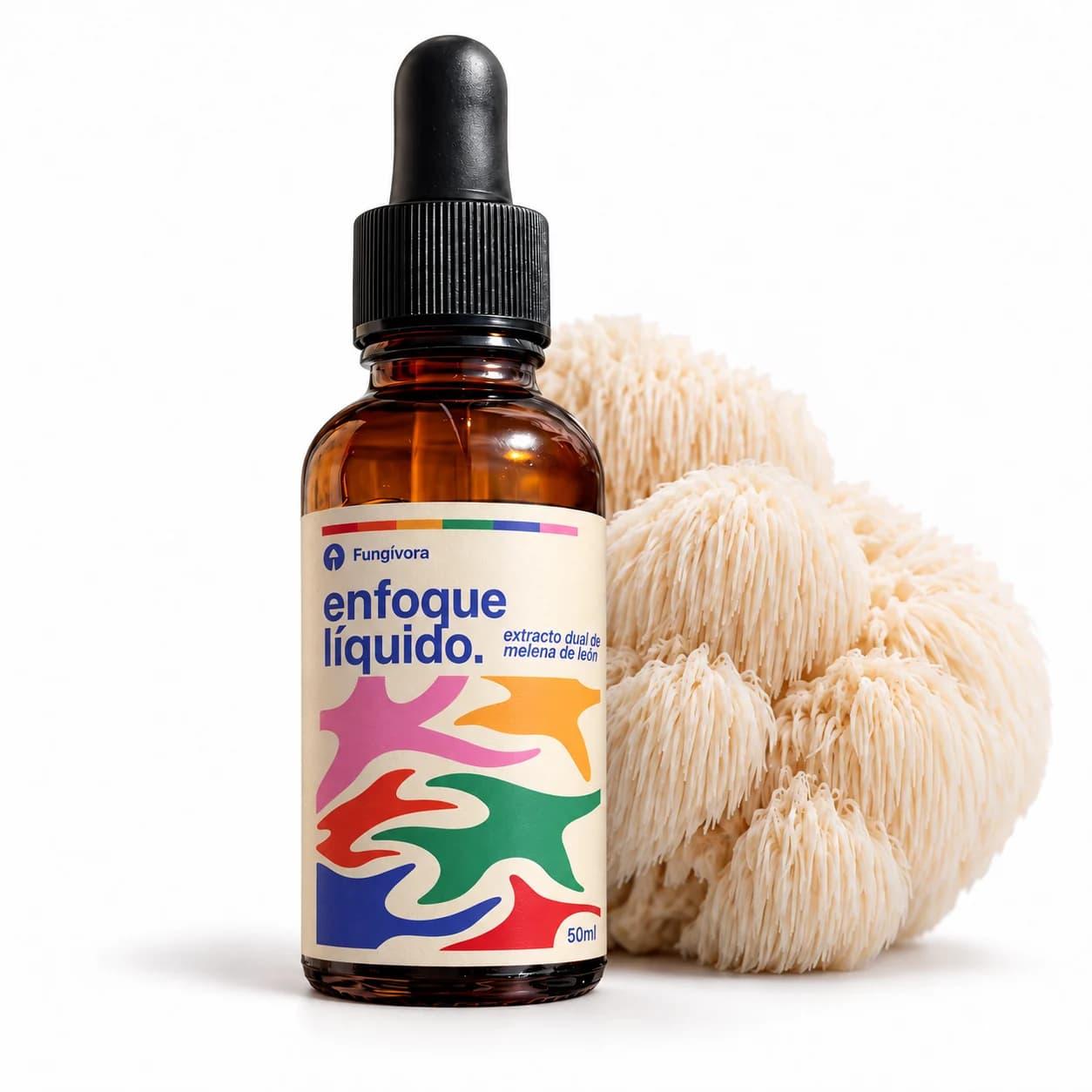
Dual extract of Lion's Mane in a 50 ml dropper bottle. Needs no refrigeration.
See →
A weekend at the farm, harvesting and cooking mushrooms with a guest chef. The most direct way to understand where your food comes from.
See →